Best Pickleball Paddles for Beginners: 5 Picks That Forgive
Home > Reviews > Best Pickleball Paddles for Beginners: 5 Picks That Forgive
As an Amazon Associate, dinkrz.com earns from qualifying purchases made through links on this page, at no extra cost to you. This support helps keep our guides free. Read our full affiliate disclosure for details.
Choosing the best pickleball paddles for beginners starts with forgiveness. Your first paddle shapes how fast you improve. A paddle that is too heavy tires your arm before the second game. A paddle with a tiny sweet spot punishes every mishit and makes you doubt your swing. A paddle built for power players sends soft shots flying long. None of that is your fault. It is the wrong tool for a new player.
This guide fixes that with five paddles that forgive. Each one has a wide sweet spot, a weight a new player can swing for a full session, and a face that helps more than it hurts. They come from five different brands, they play differently, and they cover the main ways beginners actually play: soft control games, driving games, and a bit of both. Every spec below is checked against brand or retailer listings.
Quick answer
For new players, the best pickleball paddles for beginners are the five forgiving paddles below. Pick by feel first: spin, power, control, or a set for two players.
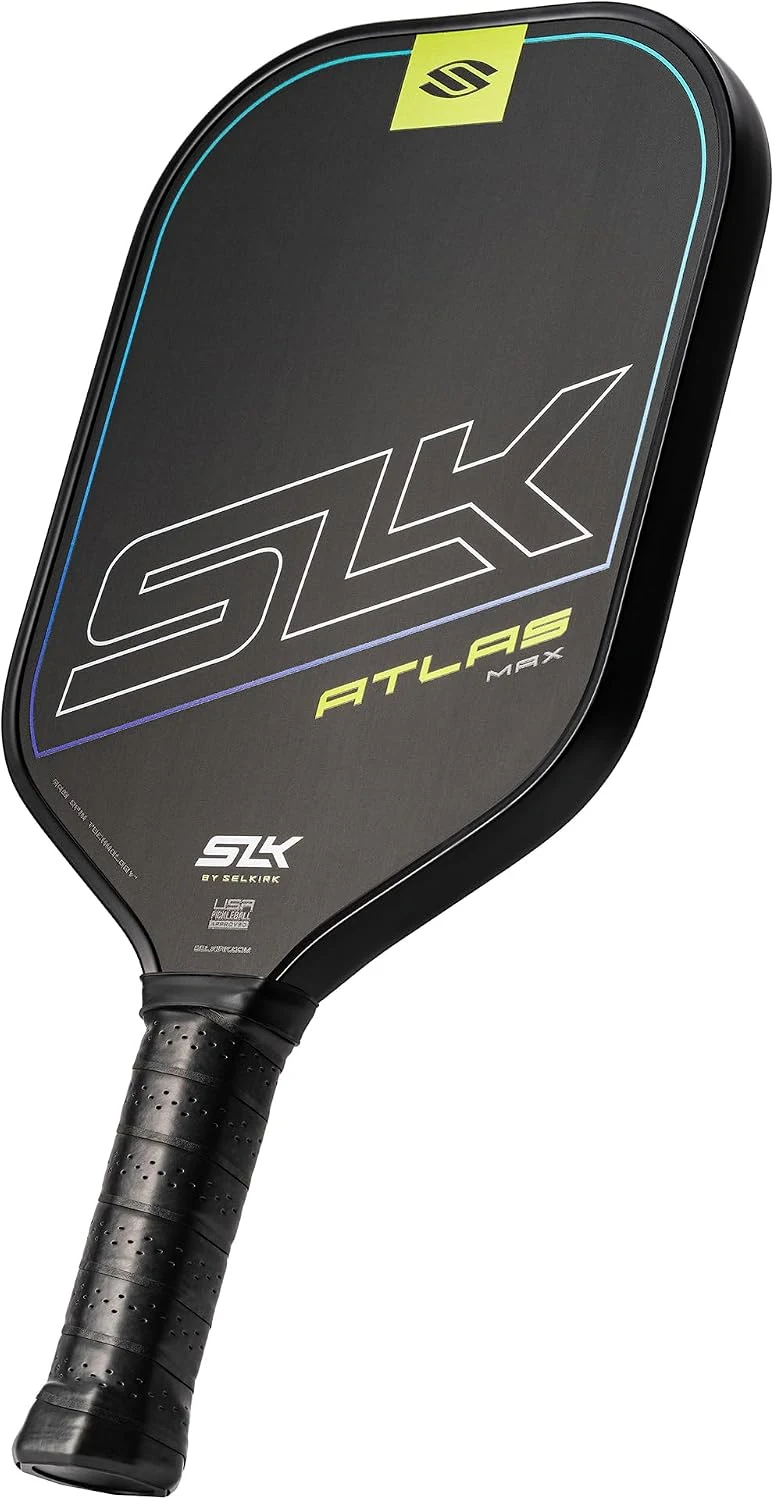
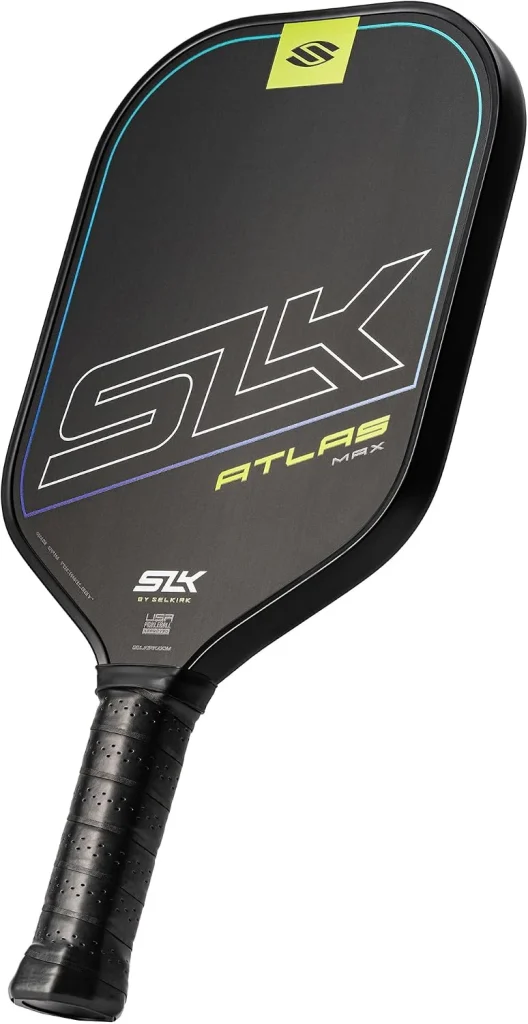
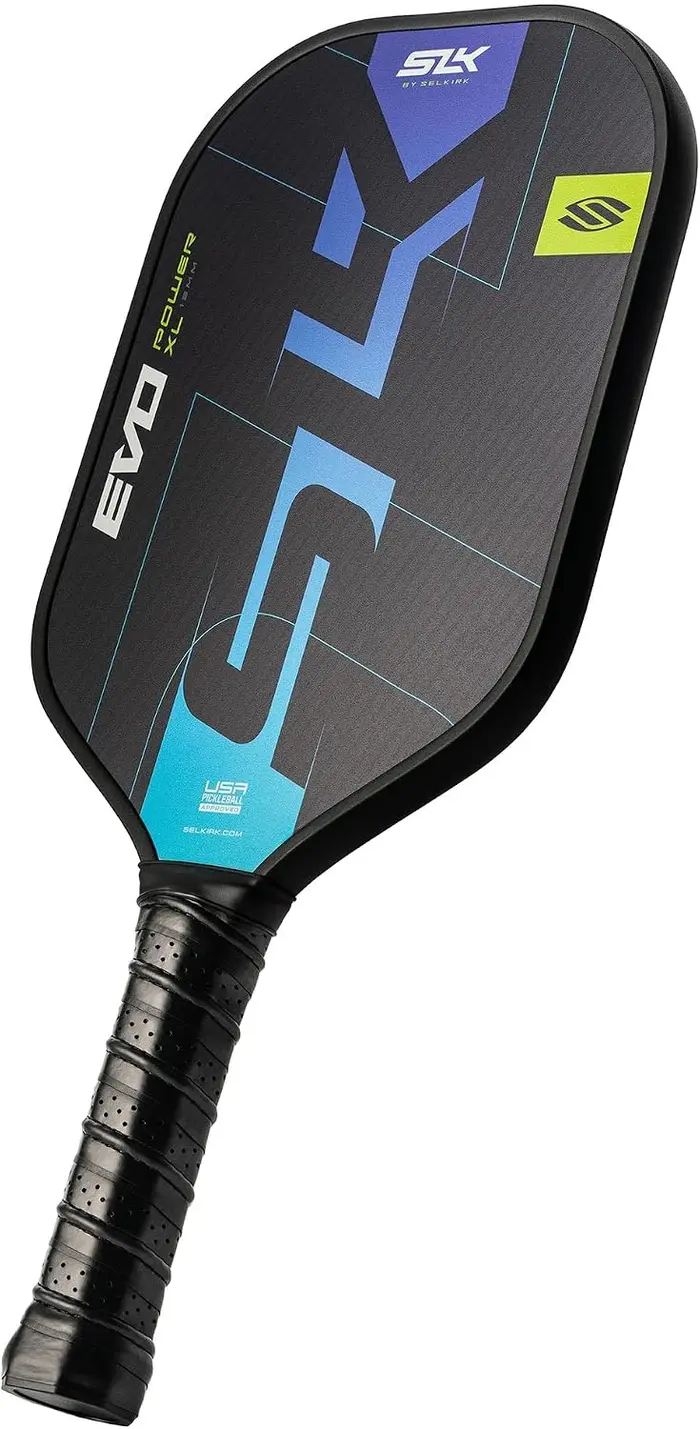
Selkirk SLK Atlas Max
A carbon face with real spin, a 16 mm core, and the biggest sweet spot shape in the SLK line.
See review →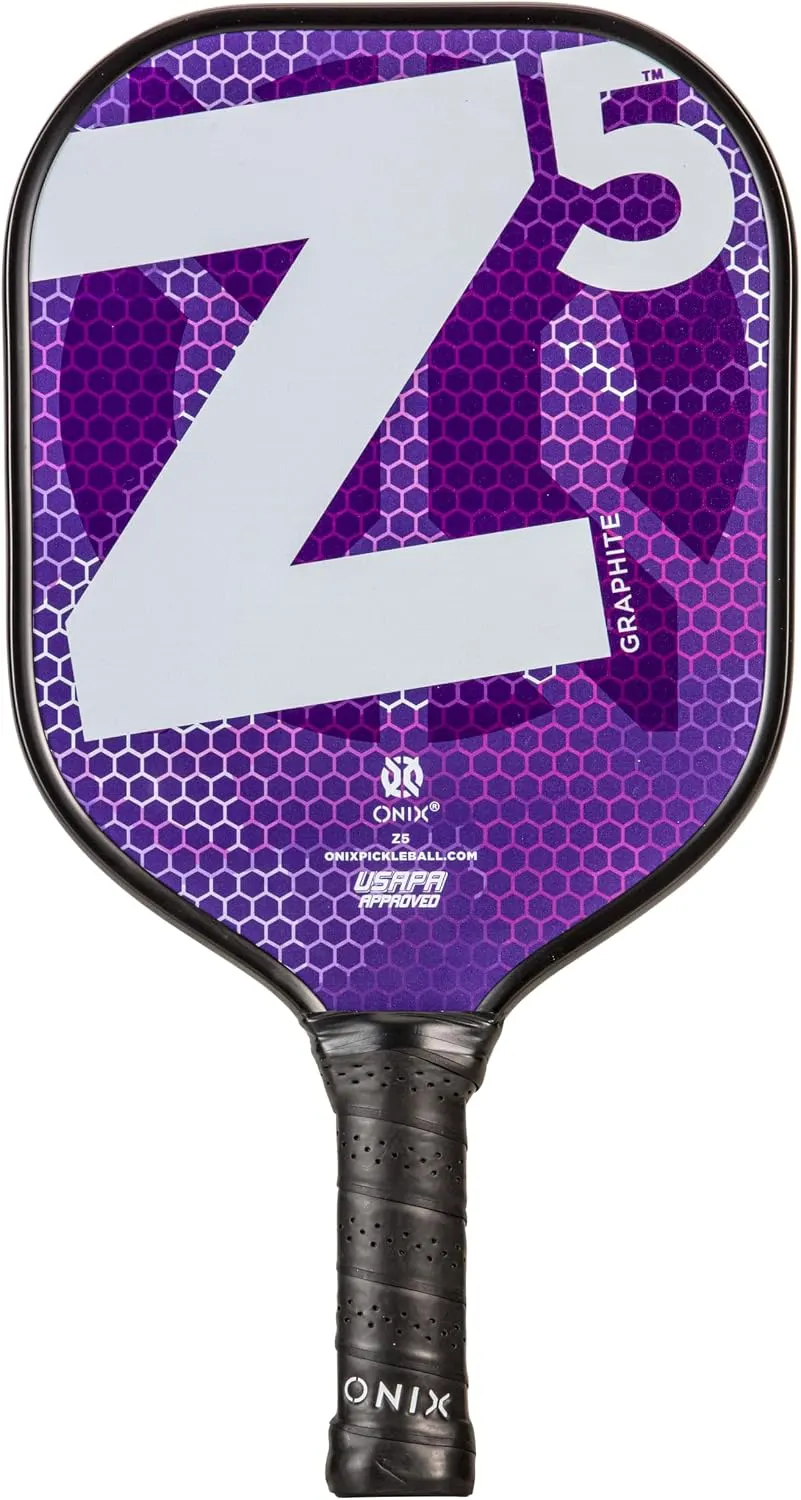
Onix Z5 Graphite
A classic widebody with a Nomex core that gives easy power and a huge sweet spot.
See review →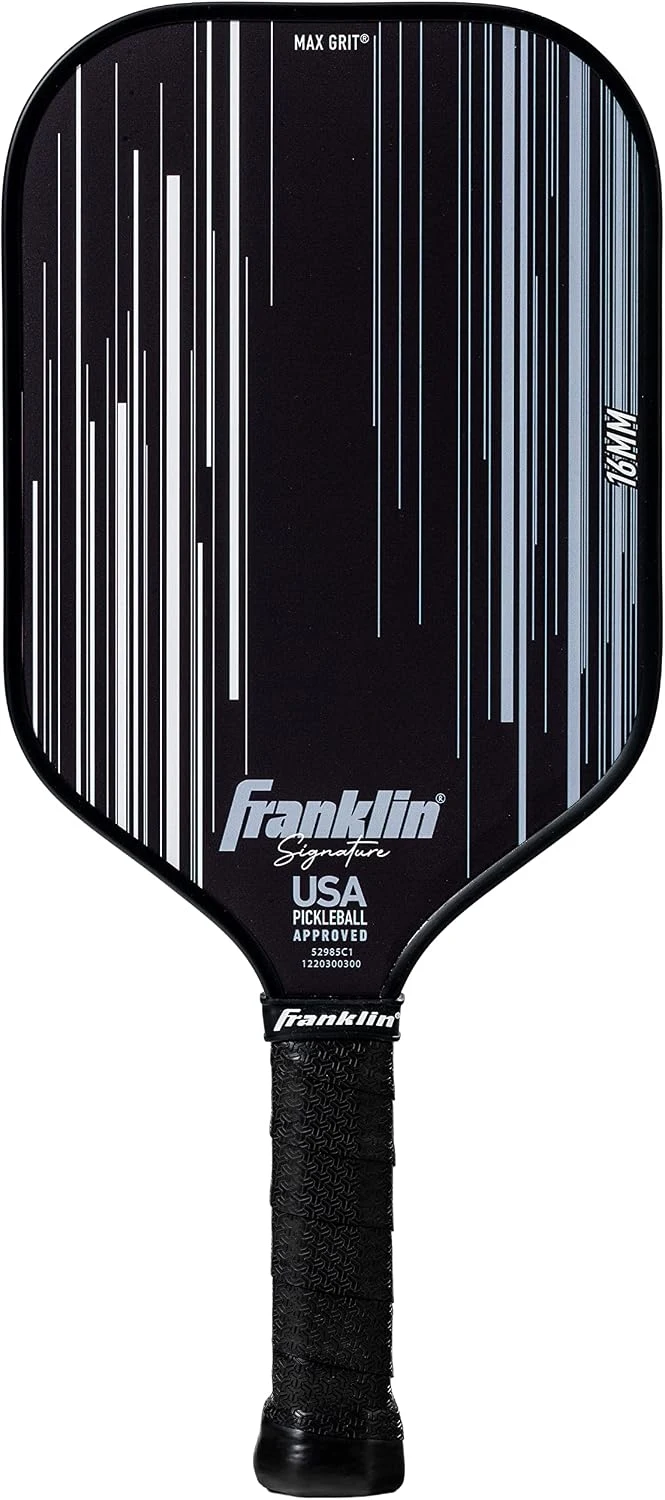
Franklin Signature Series
A 13 mm core with a MaxGrit textured face that grips the ball for spin and soft shots.
See review →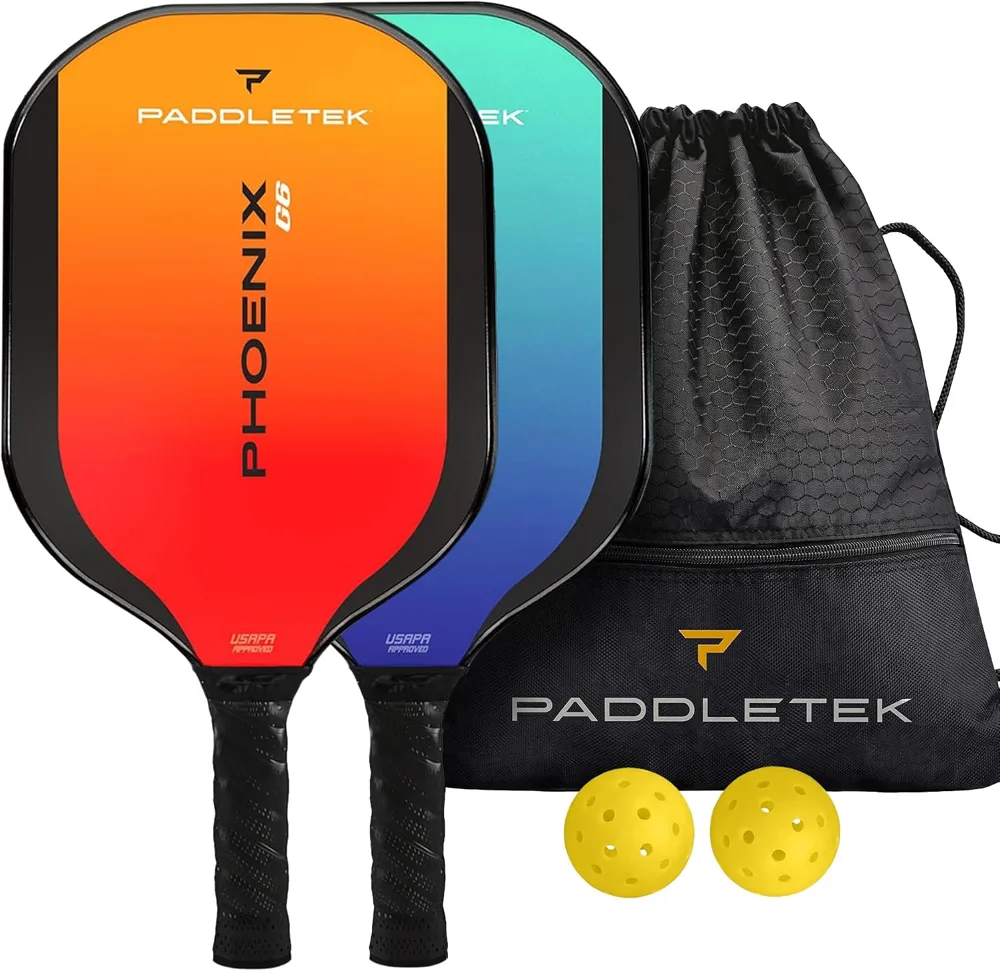
Paddletek Phoenix G6
A quiet, comfortable all-court paddle that comes as a two-paddle set with a bag and balls.
See review →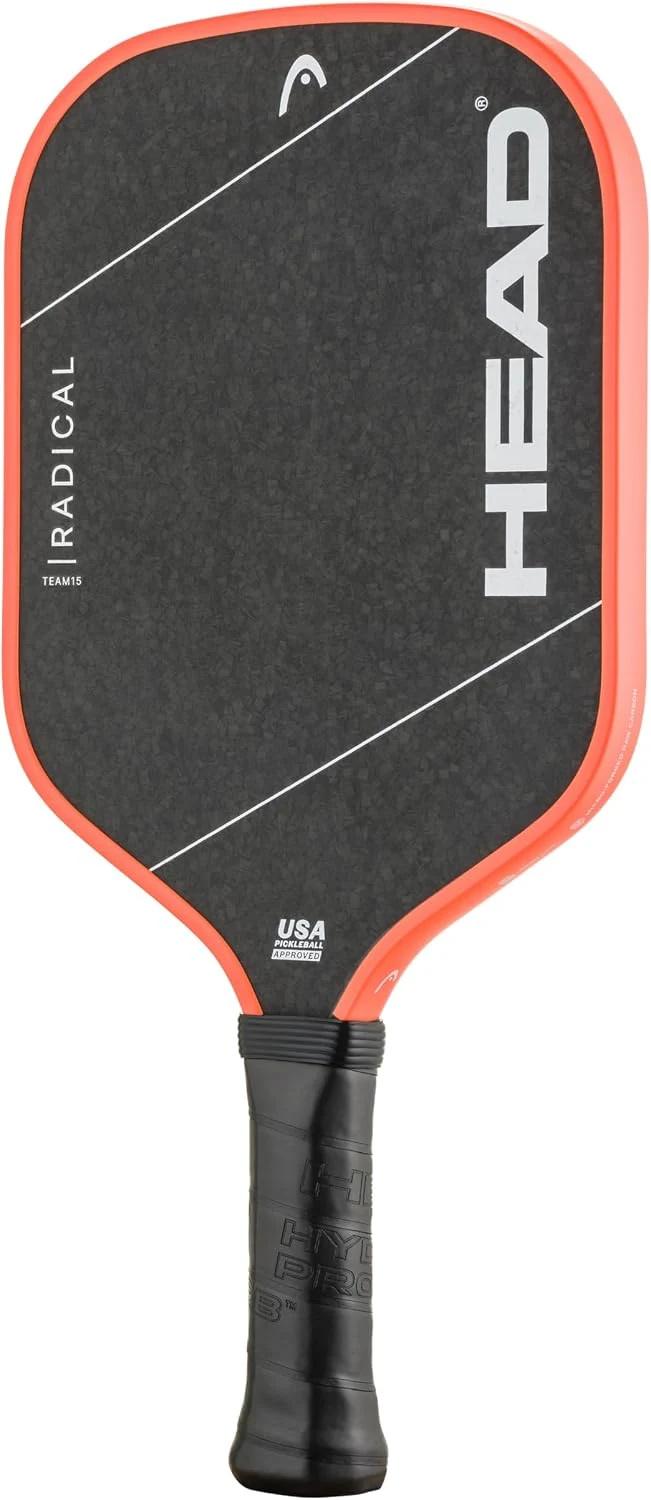
HEAD Radical Team15
A stable, widebody paddle with a raw carbon face and a calm, controlled feel.
See review →Best pickleball paddles for beginners compared
| Rank | Paddle | Best for | Weight | Core | Face | View |
|---|---|---|---|---|---|---|
| 1 | Selkirk SLK Atlas Max | Best overall: spin, control, and forgiveness | 7.6-8.1 oz | 16 mm Rev-Control polymer honeycomb | Premium carbon fiber, Raw Spin Technology | View on Amazon |
| 2 | Onix Z5 Graphite | Easy power and a huge sweet spot | 7.5-8.2 oz | Nomex honeycomb | Graphite | View on Amazon |
| 3 | Franklin Signature Series | Spin-first control with a faster feel | 7.5-8.0 oz | 13 mm polypropylene | Fiberglass with MaxGrit texture | View on Amazon |
| 4 | Paddletek Phoenix G6 | Quiet comfort and set value | 7.7-8.1 oz | 14.3 mm PolyCore graphite polymer composite honeycomb | Velvet-textured polycarbonate | View on Amazon |
| 5 | HEAD Radical Team15 | Calm, stable control | About 8.3 oz (235 g) | 15 mm honeycomb enhanced with foam | Micro-forged raw carbon | View on Amazon |
Detailed reviews
1. Selkirk SLK Atlas Max: best overall
The Atlas Max is the easiest paddle on this list to recommend to a new player who wants one paddle that does everything well. The widebody Max shape gives the largest sweet spot in the SLK Atlas line, so off-center hits still go somewhere useful. The premium carbon fiber face uses Selkirk’s Raw Spin Technology, a textured surface that grips the ball, which means your first attempts at spin actually bite instead of sliding off. The 16 mm Rev-Control polymer honeycomb core softens impact, so dinks and drops feel predictable rather than jumpy.
The specs are beginner-friendly across the board: 7.6-8.1 oz, a 4.25 in SLK Ultra-Comfort grip, a 4.85 in handle, 16 in long and 7.85 in wide, and USA Pickleball approved. At about 8 oz it sits in the midweight range, heavy enough to stay stable on blocks, light enough to swing for a full session.
Pros:
- ✓ Largest sweet spot shape in the Atlas line, very forgiving on mishits
- ✓ Raw carbon face gives real spin for a first paddle
- ✓ 16 mm core softens dinks and resets
- ✓ Comfortable grip and balanced midweight feel
Cons:
- ✕ The carbon face needs a little break-in before spin feels consistent
- ✕ A single paddle, so a second player needs their own
Who it suits: the beginner who wants one paddle to learn everything on, from kitchen dinks to baseline drives, and who plans to keep playing for a long time.
2. Onix Z5 Graphite: best power value
The Z5 is the classic beginner paddle, and it has stayed popular for a simple reason: it makes the game feel easy. The widebody shape, about 8.125 to 8.3 in wide, gives a big sweet spot, and the Nomex honeycomb core gives a crisp pop that sends the ball over the net without a big swing. New players who struggle to get depth on serves and returns notice the difference at once.
The specs are straightforward: 7.5-8.2 oz, a graphite face, a 4.25 in cushion grip, a 5 in handle, 15.5 in long, and USA Pickleball approved. The trade-off is honest and worth knowing. That same Nomex pop that helps drives can make soft shots harder to control, so dinks and resets need a softer hand and a little practice. The core is also louder than polymer cores, which matters on indoor courts or in noise-sensitive communities. Our kitchen rules guide explains why soft exchanges decide so many games, and the Z5 asks you to learn that touch rather than giving it for free.
Pros:
- ✓ Huge sweet spot from the widebody shape
- ✓ Easy power for serves, returns, and drives
- ✓ Light, quick swing for a first paddle
- ✓ A proven design that has been around for years
Cons:
- ✕ Nomex pop makes soft shots harder to control at first
- ✕ Louder than polymer-core paddles
Who it suits: the beginner who wants easy power, plays mostly outdoors, and likes to drive the ball.
3. Franklin Signature Series: best spin-first control
The Signature Series is the spin pick of this list. The face uses Franklin’s MaxGrit texture, a rough surface that grips the ball and adds spin while damping vibration, so shots feel smooth and controlled. The 13 mm polypropylene core is thinner than the other cores here, which gives a firmer, faster response: the ball comes off the face quickly, and drives carry well. A foam-injected edge guard widens the sweet spot, so the thinner core does not punish mishits the way some thin paddles do.
The specs are: 7.5-8.0 oz, 16.5 in long and 7.5 in wide, a 5.6 in handle, a 4.25 in grip, and USA Pickleball certified. The longer handle suits players who like a little extra reach or who sometimes use two hands on the backhand. One note on the series: Franklin also sells a carbon-face version under the Signature name. The model pictured here is the MaxGrit fiberglass-face version, and the specs above describe that model.
Pros:
- ✓ MaxGrit face gives the strongest spin texture on this list
- ✓ Thinner 13 mm core gives a fast, lively response
- ✓ Long handle suits two-handed backhands
- ✓ Foam edge guard keeps the sweet spot generous
Cons:
- ✕ Firmer feel than the thicker-core paddles, so soft shots need a light hand
- ✕ Less plush on blocks than a 16 mm core
Who it suits: the beginner who already likes spin, wants a faster paddle, or comes from tennis and likes a longer handle.
4. Paddletek Phoenix G6: best set value
The Phoenix G6 is the quiet comfort pick, and the set makes it the best value for two players. The PolyCore interior pairs a graphite polymer composite honeycomb with an embedded graphite layer, which damps vibration and sound. On court that means a softer feel, less buzz in the hand, and a quieter paddle than the Nomex option here. Paddletek rates it 7 out of 10 for power, 7.5 for control, and 8 for forgiveness, which matches how it plays: steady everywhere, outstanding nowhere, and easy to live with.
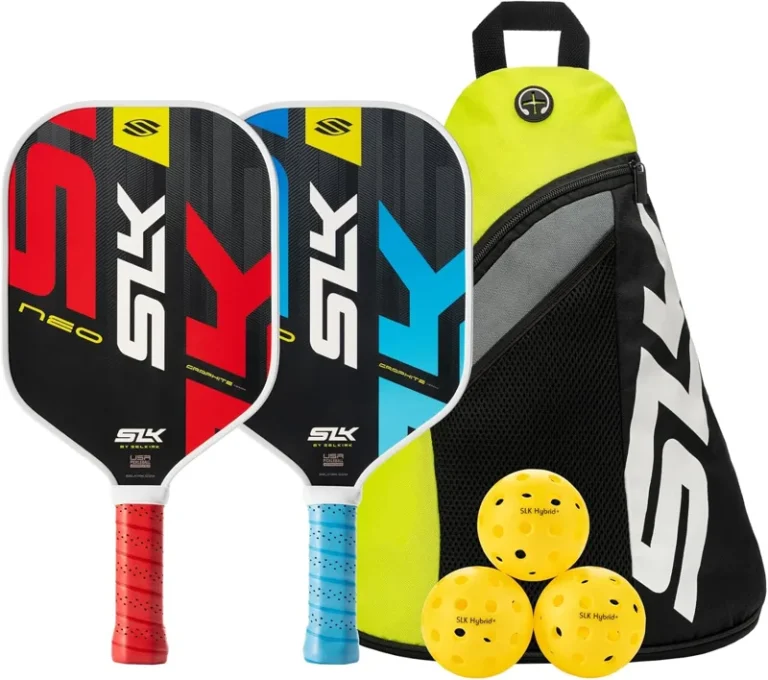
The specs are: 7.7-8.1 oz, a 14.3 mm core, a velvet-textured polycarbonate face, a 4.25 in Ultra-Cushion High-Tack grip, a 5 in handle, 15 5/8 in long and 7 3/4 in wide, and USA Pickleball approved. The photo shows the set version with two paddles, a bag, and balls, which is the smart buy if you and a partner are starting together. Our what is a dink guide covers the soft kitchen game this paddle handles well, and its quiet core is a real plus for indoor play.
Pros:
- ✓ Quietest feel on this list, thanks to the graphite layer
- ✓ Comfortable grip and low vibration
- ✓ Forgiving 8 out of 10 rating from Paddletek
- ✓ Set version outfits two players at once
Cons:
- ✕ Less raw power than the Nomex and carbon options
- ✕ Polycarbonate face gives less spin bite than raw carbon
Who it suits: two beginners starting together, indoor players, and anyone whose arm or ears prefer a softer paddle.
5. HEAD Radical Team15: best control-first widebody
The Radical Team15 is the calm paddle of the group. The widebody rectangular shape gives an enlarged sweet spot, and the micro-forged raw carbon face gives a consistent response across the whole hitting area, so the ball behaves the same whether you catch it in the middle or a little off-center. The 15 mm honeycomb core, enhanced with foam, keeps the feel stable and controlled rather than hot. Nothing about this paddle surprises you, and for a beginner that is a compliment.
The specs are: about 8.3 oz (235 g), a 15 mm core, a micro-forged raw carbon face, 16 in long with a 5 in handle, a widebody shape, and USA Pickleball approved. It is the heaviest paddle on this list, but the weight sits in a stable, head-balanced way that helps blocks and volleys rather than tiring the arm on drives. One gap in the sources: HEAD’s listings used here do not state a grip size for this model, so none is claimed in this review. Check the listing if grip size matters to you.
Pros:
- ✓ Very consistent feel across the whole face
- ✓ Stable on blocks, volleys, and resets
- ✓ Raw carbon face adds spin without a harsh response
- ✓ Widebody sweet spot forgives mishits
Cons:
- ✕ Heaviest paddle here, so players with arm trouble should try it first
- ✕ Grip size not stated in the sources used
Who it suits: the beginner who values control over power, plays a steady doubles game, and wants a paddle that stays predictable.
How to choose your first paddle
You do not need to understand every spec. Four choices cover nearly everything that matters for a first paddle.
Weight: stay in the midweight range. Most beginners do well between 7.5 and 8.2 oz. Lighter paddles swing faster and tire your arm less, which helps at the kitchen line. Heavier paddles add stability and plow-through on drives but punish a tired arm late in a session. If you have arm or shoulder trouble, lean lighter. Every paddle on this list except the HEAD sits inside that midweight band.
Core: thicker means softer, thinner means faster. A 16 mm core, like the Selkirk, absorbs impact and gives a soft, controlled feel that suits dinks and drops. A 13 mm core, like the Franklin, feels firmer and faster and suits players who like to drive. A 14 to 15 mm core splits the difference. As a rule, new players learn faster with a thicker, softer core, because their soft game improves first and their power catches up later.
Face: carbon grips, fiberglass pops, polycarbonate forgives. A raw carbon face, like the Selkirk and HEAD, grips the ball for spin. A fiberglass face with texture, like the Franklin MaxGrit, also adds spin with a livelier feel. A polycarbonate face, like the Paddletek, is smooth, durable, and forgiving. A graphite face, like the Onix, is light and crisp. None of these is wrong for a beginner. Pick carbon or textured faces if spin excites you, and polycarbonate or graphite if you want a simple, easy feel.
Grip: start with standard, fix problems with an overgrip. Four of these five paddles use a 4.25 in grip, which fits most adult hands. If the grip feels too small, one overgrip wrap fixes it for very little money. If it feels too big, that is harder to fix, so when in doubt pick the smaller grip. Players coming from tennis should know that pickleball grips run smaller than tennis grips, and a 5 in or longer handle helps if you use two hands on the backhand.
Set or single: count your players. A set, like the Paddletek, is the smart buy when two people start together, because it adds a bag and balls and removes the “whose paddle is this” argument. A single paddle is the better buy when you want a specific model, like the Selkirk or HEAD, or when only one person is playing. Do not buy a cheap multi-pack of unknown paddles just to save money: a bad paddle teaches bad habits, and you will replace it within weeks.
What to avoid as a beginner. Skip paddles built for power players: thin cores, heavy weights, and long elongated shapes that shrink the sweet spot. Skip any paddle that does not state its weight, core, or approval status, because those gaps usually hide a weak build. And skip buying on looks alone. A pretty paddle that is too heavy or too stiff will sit in your bag while your friend’s plain paddle wins the rallies. For the official equipment standards behind that approval, see USA Pickleball.
Frequently asked questions
How much should a beginner spend on a first paddle?
Spend in the starter range, not the pro range. A good first paddle sits well below the top-tier pro models while still giving you a real core, a textured or carbon face, and a proper grip. The value picks on this list prove the point: you do not need a flagship paddle to learn good habits. Save the bigger spend for your second paddle, when you know your style and can feel the difference.
What weight should a beginner choose?
Most beginners do well between 7.5 and 8.2 oz. That midweight band is light enough for quick kitchen exchanges and heavy enough to stay stable on blocks. If your arm tires fast, or you have shoulder trouble, lean toward the lighter end. If you are strong and like to drive, the heavier end still works, but do not go heavier than about 8.3 oz for a first paddle.
Is a thicker core better for beginners?
Usually, yes. A 16 mm core absorbs impact and gives a soft, predictable feel that helps dinks, drops, and resets, which is where beginners lose most points. A 13 mm core feels faster and livelier but punishes a heavy hand. If you are not sure, pick the thicker core. You can always move thinner later, when your soft game is solid.
Do I need a carbon face as a beginner?
No, but it helps if spin excites you. A raw carbon face grips the ball and makes topspin and slice easier to learn. Fiberglass, graphite, and polycarbonate faces all work fine for a first paddle, and each has fans on this list. What matters more is the sweet spot and the weight. Get those right first, and treat the face as a bonus.
What grip size do I need?
Most adults fit a 4.25 in grip, which is the standard on four of these five paddles. A quick check: hold the paddle and slide the index finger of your other hand between your fingertips and your palm. If it fits snugly, the grip is right. If the grip feels small, add an overgrip wrap. If it feels big, pick a smaller grip, because a grip that is too big is hard to fix.
Should I buy a set or a single paddle?
Buy a set if two people are starting together, because it adds a bag and balls and both players get the same paddle to learn on. Buy a single if you want a specific model, or if only one person is playing. Either way, buy a named paddle with stated specs, not an unbranded multi-pack.
Can I use a beginner paddle in tournaments?
Yes, if it is USA Pickleball approved. All five paddles on this list carry that approval, so all five are legal for sanctioned play. Approval does not mean a paddle is good, only that it meets the official size, weight, and surface rules. Check the listing if you are unsure about a model not on this list.
How long will a beginner paddle last?
For casual play a few times a week, a good first paddle lasts years, not months. Replace it when the face wears smooth and stops gripping, when the edge guard cracks or peels, or when the core feels dead and soft. A paddle that still grips and still feels firm is still doing its job, even if newer models exist.
When should I upgrade from a beginner paddle?
Upgrade when you know your style and your paddle starts holding you back. Signs include: you want more power on drives, you want more spin than your face can give, or your mishits have shrunk so much that a smaller sweet spot no longer scares you. Until then, practice beats gear. A new paddle will not fix a weak third shot, but the right drills will. Our serve rules guide and court dimensions guide cover the fundamentals that matter more than any paddle.
Are all five of these paddles USA Pickleball approved?
Yes. The Selkirk, Onix, Franklin, Paddletek, and HEAD models on this list are all USA Pickleball approved, based on brand and retailer listings. That means each one meets the official rules for size, weight, and surface, and each one is legal for sanctioned events.
Related guides
Can you play pickleball on a tennis court?
How to set up a pickleball court on a tennis court.
Indoor vs outdoor pickleball balls: pick the right one
Holes, bounce, and use, compared for indoor and outdoor play.
Pickleball singles rules: scoring, serving, and strategy
Scoring, serving, and strategy for the singles game.
Checked: October 25, 2026, against brand and retailer listings for each model.
6 Comments