
Pickleball Strategy: 7 Smart Ways to Win More Points

Strategy
Pickleball strategy is what turns good shots into won points. Most beginners lose on positioning and patience, not power. This guide covers seven strategies that work in doubles and singles: getting to the kitchen line, the third shot drop, patient dinking, attacking only high balls, smart serve placement, stacking basics, and singles tactics.
The core of pickleball strategy is simple: get to the kitchen line, keep the ball low, attack only high balls, and stay patient in dink rallies. Position and patience win more points than power.
1. Get to the kitchen line
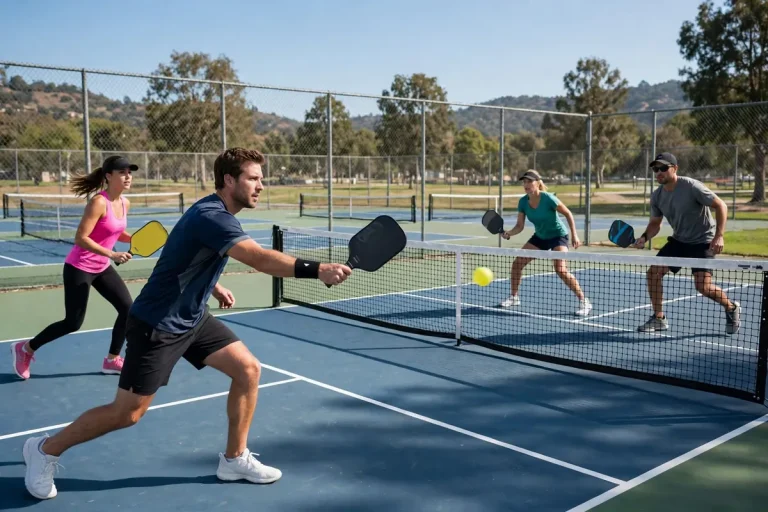
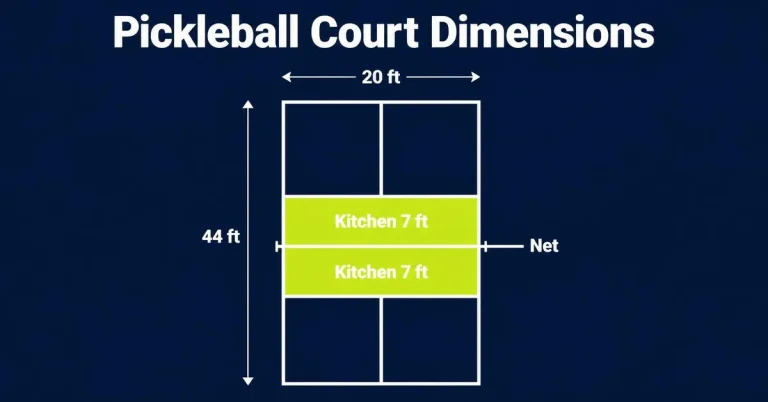
The team that controls the kitchen line usually controls the rally. From the line you can reach more balls, volley with pressure, and cut off your opponents’ angles. Staying at the baseline after serving or returning gives your opponents control of the point.
After serving, hit a deep serve, prepare for the return, play a controlled third shot, and move up. After returning, hit a deep return and move up immediately, before the next shot. Move side to side with your partner so you cover the court together instead of leaving gaps.
The kitchen rules explain what you can and cannot do at the line.
2. Master the third shot drop
In doubles, the serving team starts behind after the first two shots: the serve and the return send the returning team to the net. The third shot drop fixes that. It is a soft, arcing shot that lands in your opponents’ kitchen, forces them to hit upward, and buys you time to advance to the net.
Keep the swing gentle and the arc low, with the ball peaking just above the net so it drops steeply into the kitchen. A drop that pops up invites a smash, so soft and low beats hard and hopeful every time.
Not every third shot should be a drop. Drop it when you are behind the baseline and your opponents are already at the kitchen. Drive it when the return lands short and you can step into the ball. Learning to choose is one of the fastest ways to improve.
Third shot drop drills for building this shot are in the drills guide.
3. Win the dink battle with patience
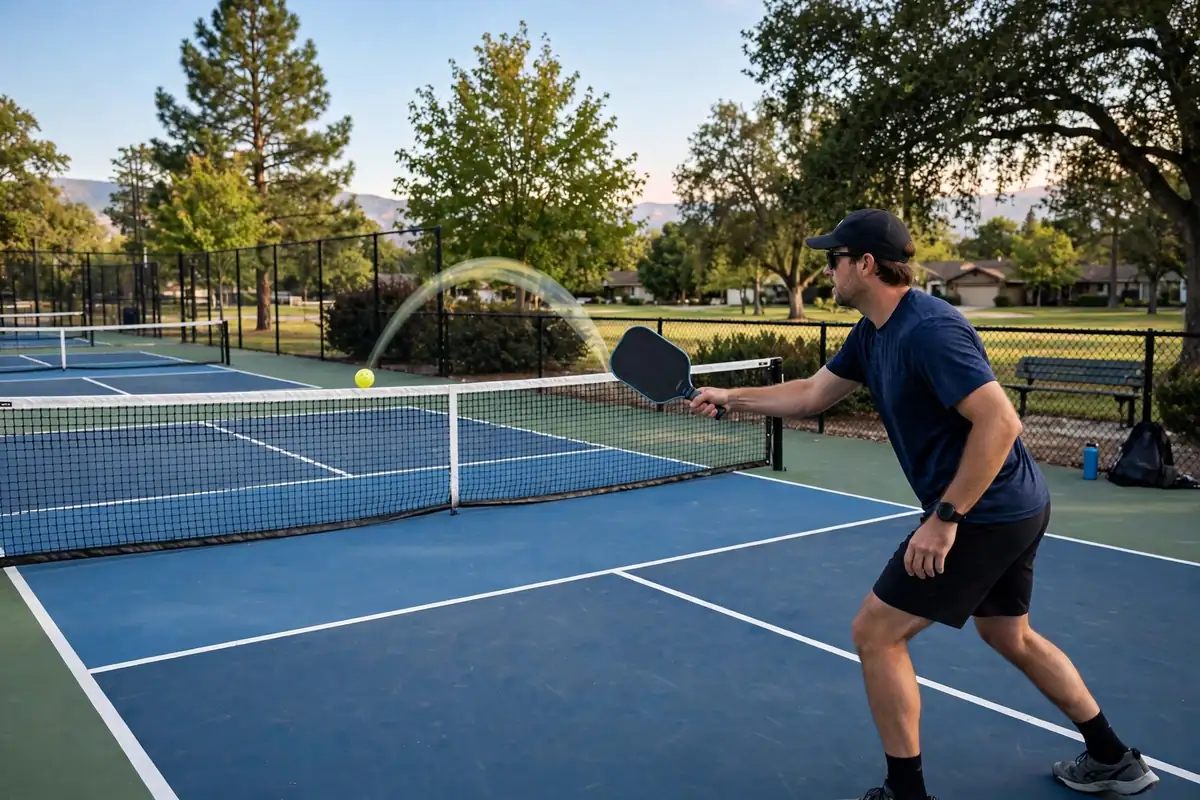
A dink is a soft shot that lands in your opponents’ kitchen, and dink rallies decide most doubles points. Beginners usually lose these rallies by getting impatient and attacking a ball they should have left alone.
Keep your dinks low and controlled, and aim them at your opponents’ weaker side when you can. Wait until your opponent hits a ball too high, loses balance, or leaves a gap. Then attack.
Forcing an attack early is how most dink rallies are lost, not won. The dink guide explains the shot itself in full.
4. Attack high balls only
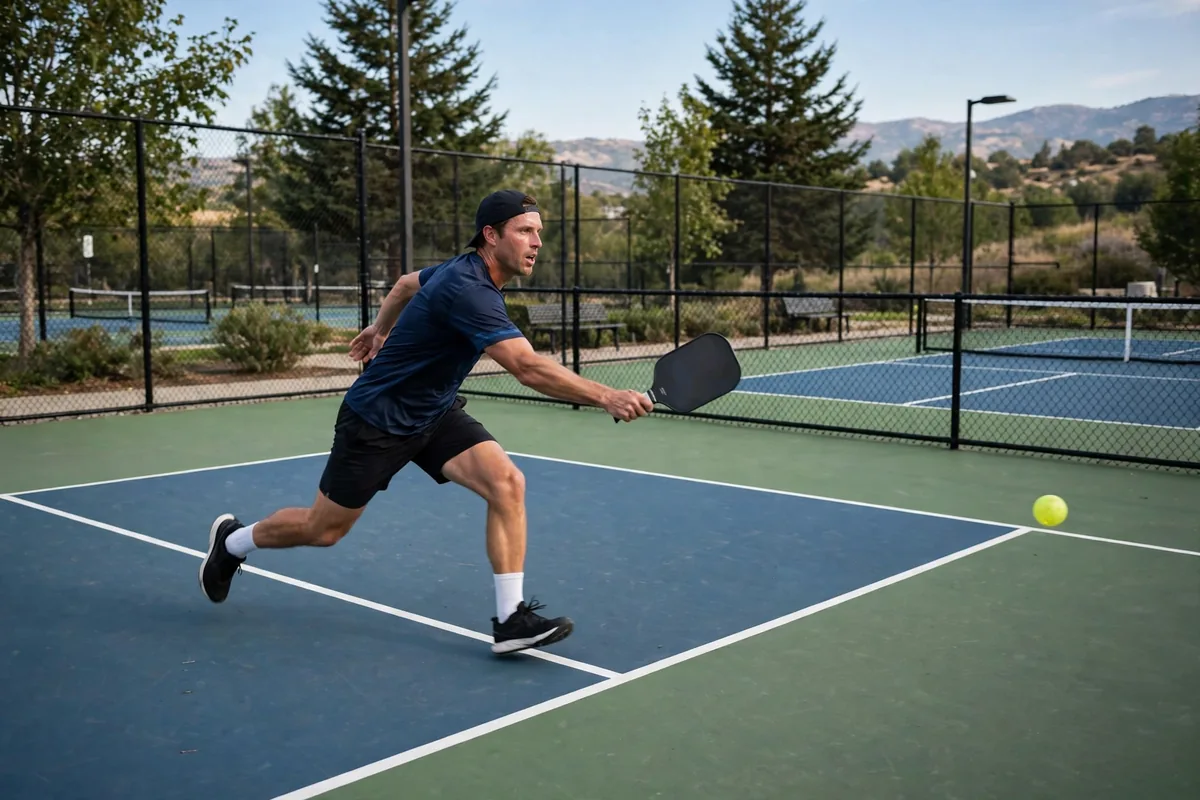
Attack when the ball is above net height, you have good balance, and you can stay in control. Otherwise, reset the rally with a drop shot or a dink. This one rule erases a large share of unforced errors: most failed attacks start with a low ball hit too hard.
When you do attack, aim for open court or your opponents’ feet rather than straight at their paddle. A controlled speed-up beats a wild swing, and a ball at the feet is harder to return than a ball at chest height.
5. Place your serves, do not just hit them hard
A well-placed serve beats a hard serve. Aim deep into the service box, near the baseline, and vary your placement between corners so your opponents never settle. A serve that pushes your opponent back also buys you time for the third shot and the move to the kitchen line.
The serve rules cover the legal serve in detail.
6. Stacking basics
Stacking is a positioning tactic where partners arrange themselves so each plays their preferred side after the serve. For example, both partners may line up on the same side so the player with the stronger forehand ends up in the middle after the serve.
Keep it simple at first. Stacking only helps once basic positioning is comfortable, and a confused team is worse than an unstacked one. Agree on your sides before the point, call the switch clearly, and practice it in casual games before using it in a match.
7. Singles strategy is a different game
Singles has no partner to cover half the court, so positioning and fitness matter more. Deep serves and deep returns push your opponent back and buy you time. Use angles to move your opponent side to side, and mix in lobs when they crowd the net.
The biggest adjustment from doubles is patience with court coverage: you cannot chase every ball, so play high-percentage shots and force your opponent to cover ground instead. The singles rules explain the format differences.
A simple decision framework
| Situation | Best play |
|---|---|
| Ball above net height, you are balanced | Attack with control |
| Ball below net height | Dink, drop, or reset |
| Opponents at the kitchen, you at the baseline | Third shot drop, then move up |
| Return lands short, you can step in | Drive |
| Deep return against you | Get to the kitchen line behind it |
| Dink rally, no opening yet | Stay patient, keep the ball low |
For the official rules behind these tactics, USA Pickleball publishes the rulebook.
Pickleball strategy questions, answered
What is the most important pickleball strategy?
Get to the kitchen line and stay there. Most doubles points are decided at the line, and the third shot drop is how the serving team gets there.
Should beginners drive or drop the third shot?
Drop it when you are behind the baseline and your opponents are already at the kitchen. Drive it when the return lands short and you can step into the ball. Most beginners drive everything because it feels productive, and learning to choose is what moves you up a level.
What is stacking in pickleball?
Stacking is when partners arrange their starting positions so each plays their preferred side after the serve. It keeps a stronger forehand in the middle or a preferred player on a preferred side.
Is pickleball strategy different for singles?
Yes. With no partner, you cover the whole court alone, so deep shots, angles, and fitness matter more, and high-percentage play beats risky attacks.
How do you win dink rallies?
Stay patient, keep the ball low, and wait for a high ball, a gap, or a balance mistake. Attack the opening, not the rally.
Related guides
Checked: November 1, 2026, against published strategy guides and coaching tips.

One Comment