
Is Pickleball Good Exercise? What the Research Shows
Home > Guides > Is Pickleball Good Exercise? What the Research Shows
Fitness
Is pickleball good exercise? Measured research says yes, with a clear picture of how hard it actually is. Match play in a six-week study of middle-aged and older adults averaged a moderate intensity, and players finished with better cholesterol, blood pressure, and fitness. This guide gives you the numbers, the calorie range, and an honest look at the limits.
✓Yes. Pickleball counts as moderate-intensity exercise: about 4.1 METs and 108.8 beats per minute in measured match play, with roughly 350 calories per hour-long session for older adults.
The numbers, measured
The most useful study on this question followed middle-aged and older adults playing roughly one-hour sessions three times a week for six weeks. The researchers recorded what happened during match play, and what changed after six weeks.
| Measure | Study result |
|---|---|
| Average heart rate | 108.8 beats per minute |
| Exercise intensity | 4.1 METs |
| Share of oxygen uptake reserve | 52.5% |
| Energy per session | About 353.5 calories |
| Program | 1-hour sessions, 3 times a week, 6 weeks |
| After 6 weeks | Better HDL and LDL cholesterol, lower systolic and diastolic blood pressure, higher VO2 max |
The 52.5% oxygen uptake reserve figure is the one that matters most: it places pickleball squarely in the moderate-intensity band that public health guidance is built around. It is not a gentle activity that happens to be pleasant, and it is not a maximal one. Be honest about the limits of this study too. It had only 15 people, with a mean age of 65.2, and it was a supervised program with very good attendance. The figures describe what pickleball does at that dose, not what dropping in once a fortnight does.
Calories: singles vs doubles
Calorie burn depends on body weight, intensity, and whether you play singles or doubles, so treat every number below as a range, not a promise.
| Play type | Calories per hour (approx) |
|---|---|
| Casual doubles | 300-380 (150 lb example from a calorie guide) |
| Measured study sessions | About 355 per hour-long session |
| Competitive singles | Up to 600-700 |
A 2022 study adds a useful comparison: 30 minutes of doubles burned about 36% more calories, with heart rates about 14% higher, than walking for the same time. Singles burns more than doubles because you cover the whole court alone, with fewer pauses between shots.
Cardio and heart health
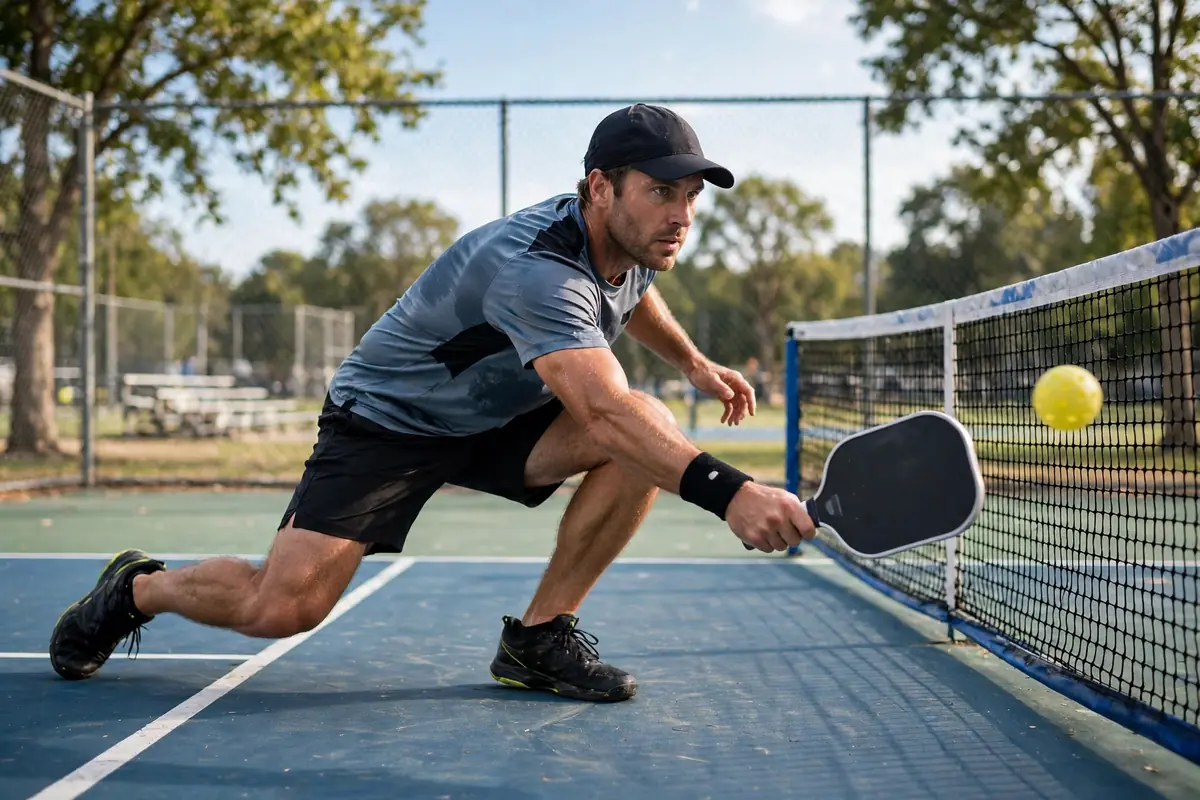
In a 2022 study, more than 70% of both singles and doubles playing time fell in moderate-to-vigorous heart-rate zones. That is why pickleball works as cardio: the rallies keep your heart rate up without the sustained pounding of running. Public health guidance calls for 150 minutes of moderate aerobic activity per week, and three 60-minute sessions give 180 minutes, which clears that target. The six-week study also recorded better blood pressure and cholesterol after the program, which is consistent with what regular moderate activity does. The smaller court helps here too: you move constantly without covering tennis-sized distances.
Strength, balance, and coordination
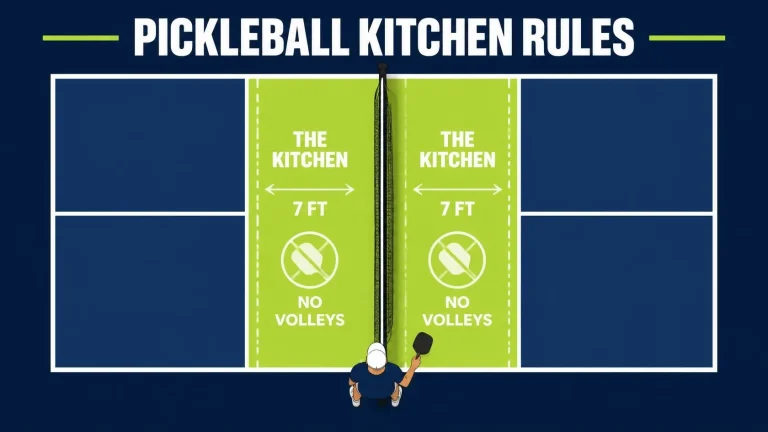
Pickleball works more than your heart. You squat, reach overhead, shuffle sideways, and react to fast balls at the net, which trains legs, core, arms, balance, and reaction speed together. Compared with many high-impact activities, it places less stress on the joints, which is one reason older players stick with it. It is still a real workout for coordination: the kitchen game rewards quick feet and soft hands as much as fitness.
Mental and social benefits
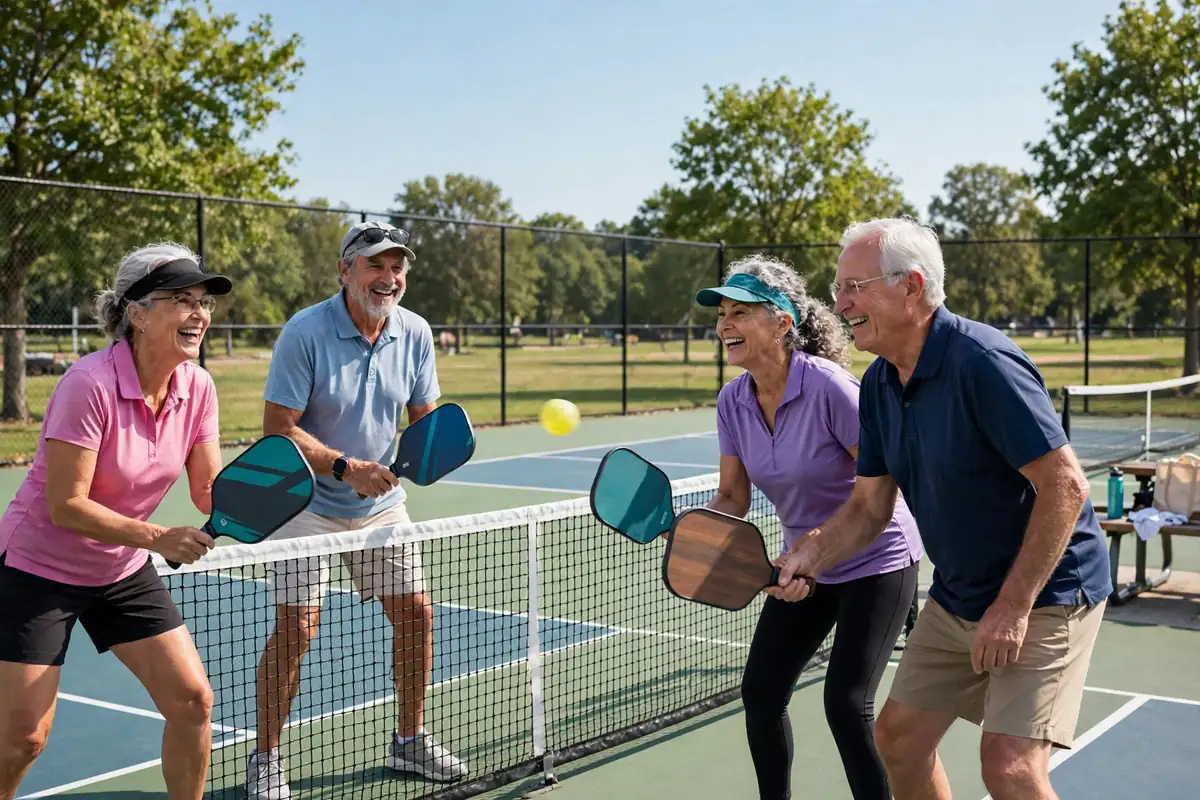
A 2022 review of 13 studies in players over 50 found improved well-being, life satisfaction, and lower depression and stress. Doubles is a social game, and that matters for fitness more than people admit: players who enjoy the session keep showing up, and showing up is what turns one good week into a habit.
A simple weekly plan
Three sessions of 60 minutes give 180 minutes of moderate activity, which clears the weekly 150-minute target. A practical mix is two doubles sessions plus one practice session, with rest days between and a five-minute warm-up before play. A weekly practice plan with drills for each session is in the drills guide. Players who want a softer-feeling paddle for longer sessions can look at softer-feeling paddles for older players. To find local play, look for sessions through USA Pickleball.
Honest limits and safety
Intensity varies. Casual doubles with long pauses between points is lighter than competitive singles, and calorie numbers are ranges, not guarantees. Injuries happen too, including strains and falls, and the exertion itself is real: warm up before play, stop if you feel dizzy or get chest pain, and talk to a doctor before starting a new exercise routine, especially if you have a heart condition. This guide is general information, not medical advice.
Pickleball exercise questions, answered
Is pickleball good cardio?
Yes. Measured match play sits in the moderate-intensity band, and most playing time in one study fell in moderate-to-vigorous heart-rate zones.
Is pickleball a good workout for weight loss?
It helps: steady calorie burn plus a game people actually return to. Weight loss also depends on diet, so treat pickleball as one part of the plan, not the whole plan.
How many calories does pickleball burn?
Roughly 300 to 700 per hour depending on weight, intensity, and singles vs doubles, with about 355 per session as the measured floor for older adults.
Is pickleball good exercise for seniors?
The main study was done in older adults, and the smaller court and social doubles format suit many seniors. Check with a doctor first if you have a heart condition or a new injury.
Does pickleball count toward 150 minutes a week?
Yes. Moderate minutes count, and three 60-minute sessions give 180 minutes, which clears the weekly target.
Related guides
Checked: October 31, 2026, against published exercise studies and calorie guides.
One Comment